When a straight boom is the right geometry
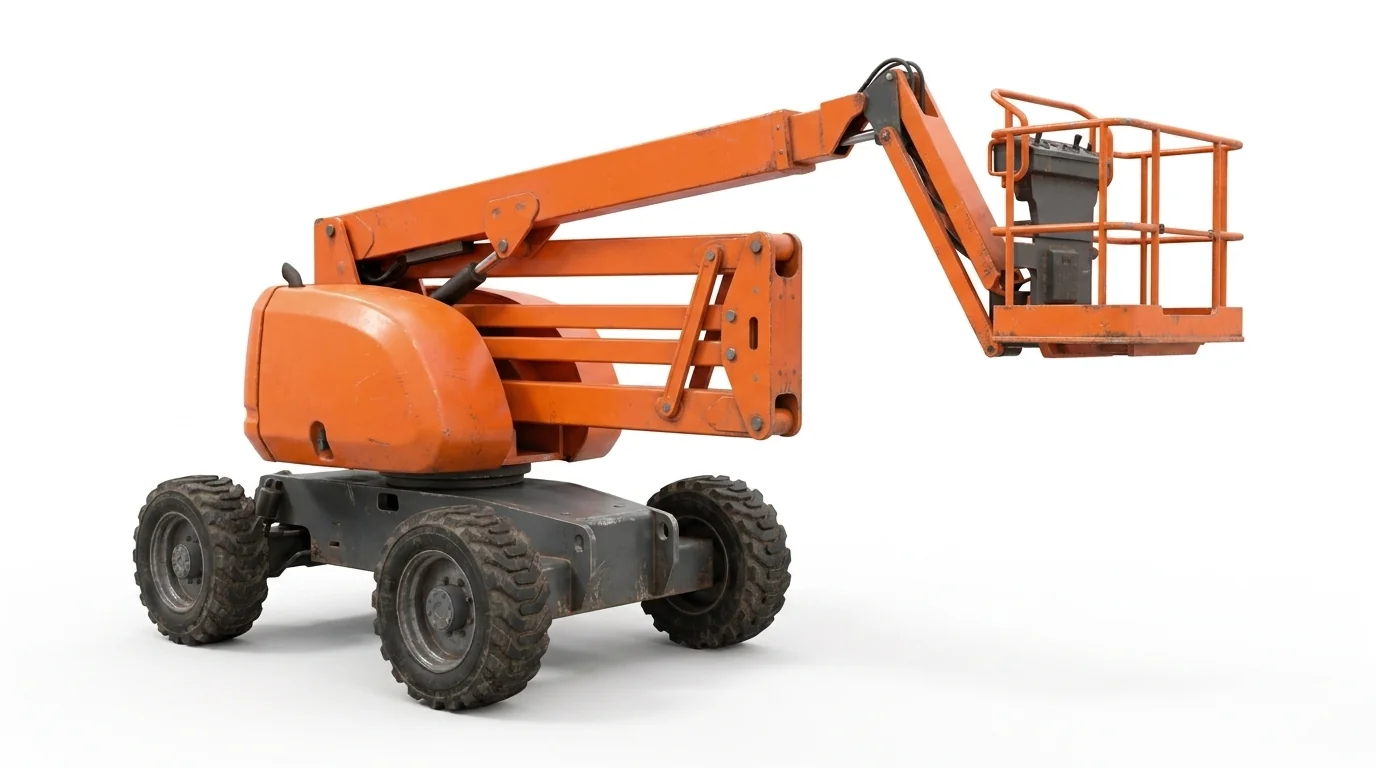
Choose a telescoping platform when the task is a clear shot: signage, façade panels, elevated pipe runs on open sides, or structural work with few overhead clashes. The machine extends in line, so any obstacle along that path—trees, canopies, or roof overhangs—can limit reach. If you need to arc over something, see /articulating-boom-lift-rental/.
Greenville ground and exposure considerations
The Inner Piedmont foothills produce rolling grades around industrial sites and commercial campuses. Open pads can be windy and saturated after rain. For planning:
- Ground bearing: Verify that the stance area supports the machine’s point loads, especially on fill or near retaining edges.
- Approach: Long units need room for tail swing and setup; check curb cuts and slope breaks.
- Weather: The regional climate brings recurring wet periods; work limits are set by the selected unit’s instructions and site policies.
Range versus footprint
Higher outreach often means heavier machines with wider stances. Balance the needed horizontal reach against site access:
- Gate and aisle width along the route from staging to the set point.
- Turning radius around columns, bollards, and dock aprons.
- Surface transitions from concrete to compacted stone.
Typical use cases in the area
- Exterior wall and roof edge work on large distribution buildings with open yards.
- Lighting, camera, and signage maintenance along broad frontage zones.
- Structural steel tasks where the face is exposed and far from the set point.
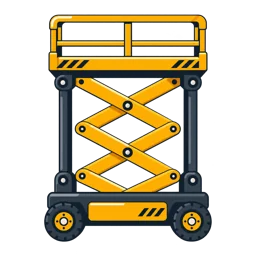
For projects with frequent repositioning under roof, a scissor platform may be more efficient; see /electric-scissor-lift-rental/ for indoor slabs or /rough-terrain-scissor-lift-rental/ for outdoor decks.
Related categories
- Other boom options: /boom-lift-rental/
- Material placement support: /telehandler-rental/
- Temporary site needs: /generators-light-towers-rental/ and /temporary-fencing-barricades-rental/