Start with what goes in and how often
- Inventory: palletized parts, tools, or long materials each set different interior clearances.
- Access frequency: daily pulls favor high‑visibility layouts and wide‑opening doors; long‑term storage tolerates deeper stacking.
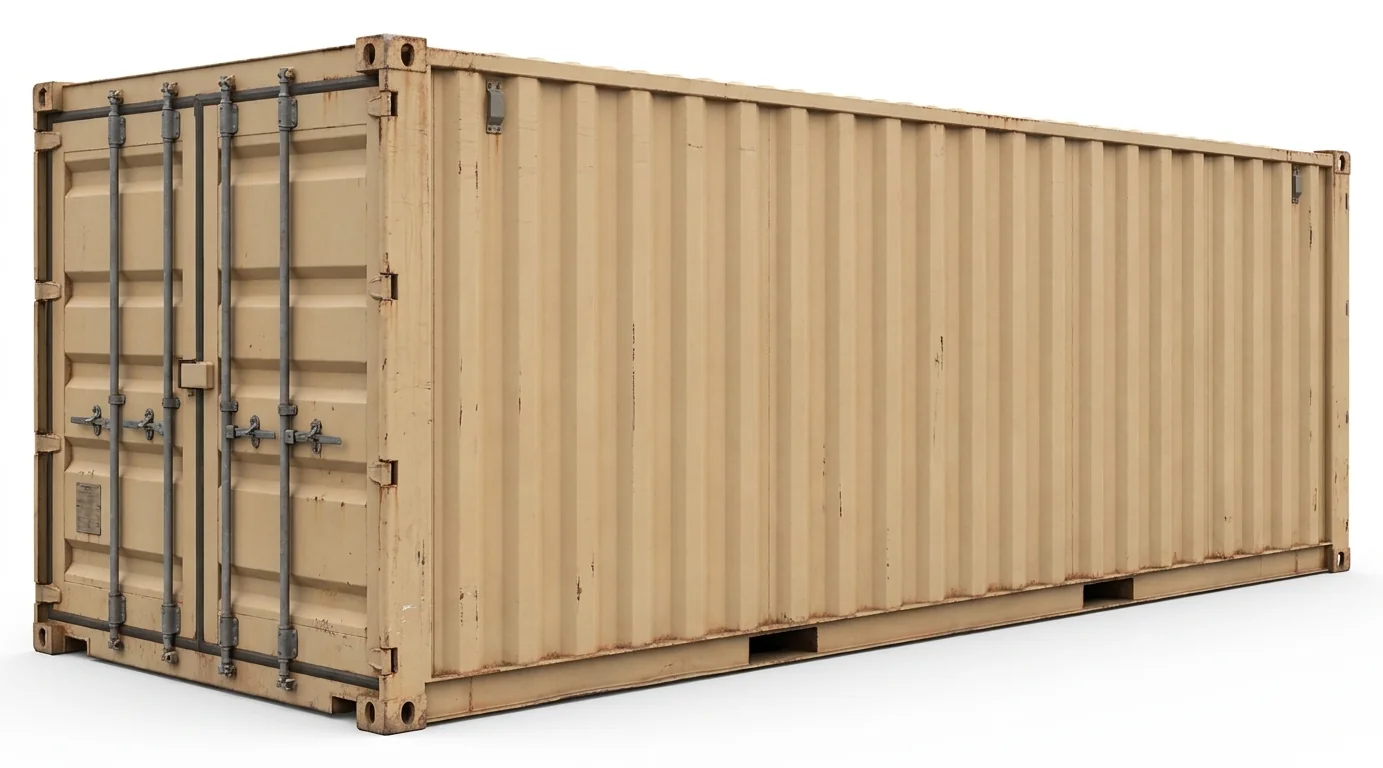
- Door side: standard double doors at one end work for bulk storage; side‑access units help in tight aisles at local industrial sites.
Greenville site factors that change placement
Rolling ground around the Inner Piedmont foothills means containers may sit on mild slopes or mixed aggregate. Level bearing improves door action and prevents binding after rain cycles. On exterior lots serving distribution buildings, space is contested with trailers and forklifts, so plan for swing clearance and lane width during peak shifts.
Size, route, and set‑down constraints
- Length and height: confirm overhead obstructions at gates and between buildings.
- Delivery path: turning radius and backing room affect whether a standard truck can place the unit where needed.
- Surface: compacted gravel versus slab will affect shimming needs and long‑term stability.
Coordination with aerial and material handling
When containers stage lift parts or fixtures for elevated work, align placement with the working envelope of /electric-scissor-lift-rental/ indoors or /rough-terrain-scissor-lift-rental/ outdoors so materials sit below the task without blocking swing paths. For pallet movement, review /forklift-rental/ or /telehandler-rental/ based on surface and reach.
Weather considerations
Greenville’s humid, rainy periods make gasket condition and roof runoff relevant. If the unit sits near traffic, check that water does not sheet across door thresholds where crews foot‑traffic in and out.
What to confirm before you call
- Inventory type, pallet sizes, and door preference
- Final location with dimensions, slope, and surface
- Delivery route widths, gate clearances, and overhead limits
- Any interaction with lifts, forklifts, or telehandlers
Actual site conditions and the selected unit’s instructions govern set‑down and any handling steps on exterior or elevated work areas.