Indoor versus outdoor priorities
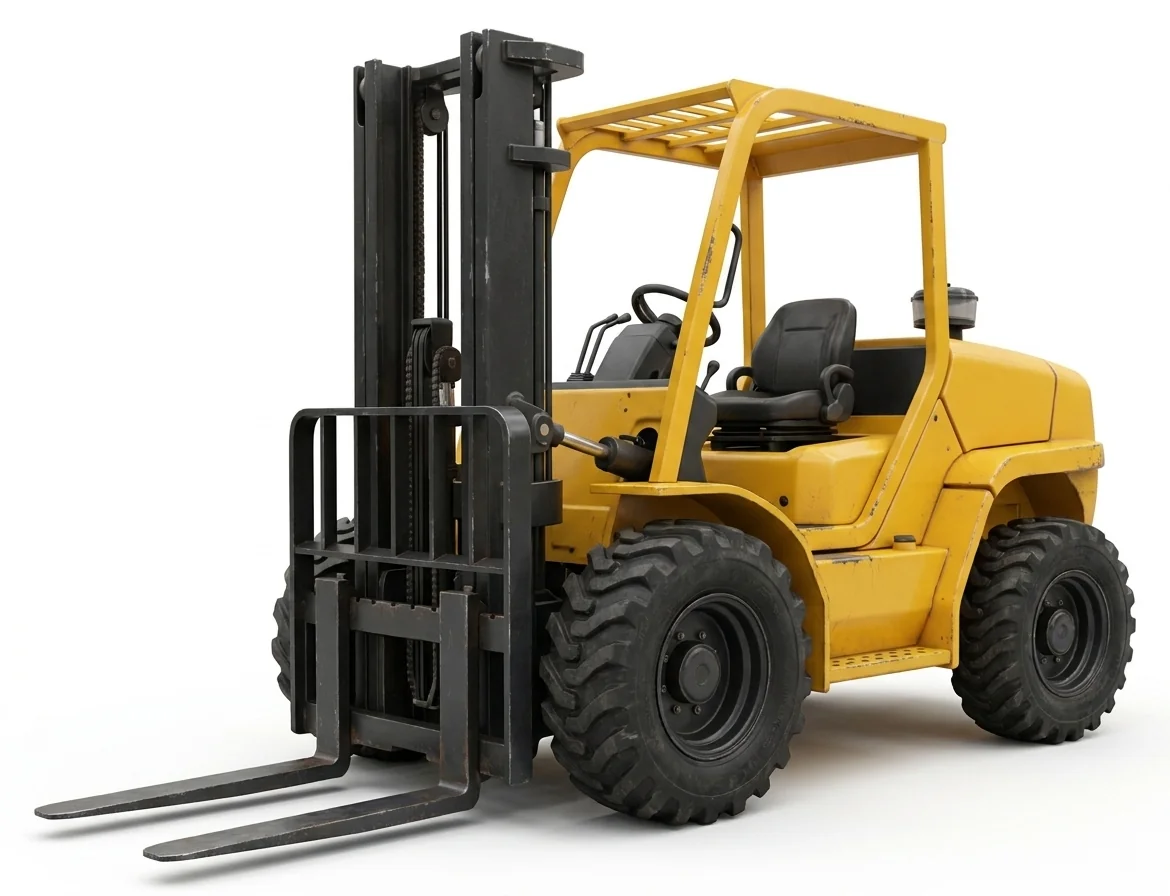
- Indoor, finished slab: Electric sit‑down or stand‑up units with non‑marking tires minimize emissions and floor wear.
- Mixed routes: Pneumatic‑tire internal combustion models handle dock aprons, ramps, and short yard runs between bays.
Confirm aisle width, turning radius at end‑of‑rack, and required lift height to top beam or mezzanine edge. For elevated placement beyond forklift range, see /telehandler-rental/.
Greenville access patterns
Local distribution buildings often have long runs between receiving, staging, and value‑add areas. Bottlenecks appear at doorways, dock plates, and slope breaks at overhead doors. Measure the narrowest pinch point along the full route, not just at the racking face.
Surface and weather effects
Humidity and frequent wet days mean exterior slabs and aprons can be slick, and unpaved yards can rut. Tire type and truck class affect traction and braking characteristics; actual conditions and site procedures govern use. Avoid routing heavy traffic over weak utility covers or transitions with sharp break‑over angles.
Load characteristics that change the pick
- Pallet footprint and stability (bagged goods vs. rigid crates)
- Center of gravity relative to fork length
- Duty cycle: continuous loading vs. intermittent picks across a shift
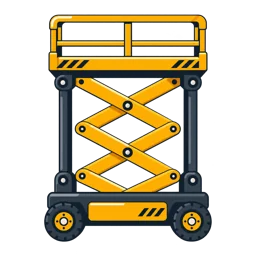
For personnel access tasks, forklifts are not substitutes for aerial lifts. Consider /electric-scissor-lift-rental/ for interior platform work or /rough-terrain-scissor-lift-rental/ outdoors.
Supporting site logistics
Short‑term projects may also need temporary storage and site control. See /storage-containers-rental/ for weather‑resistant storage or /temporary-fencing-barricades-rental/ for perimeter planning.