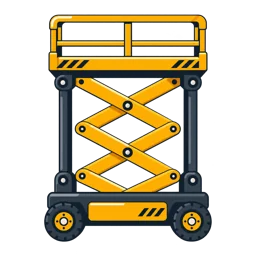
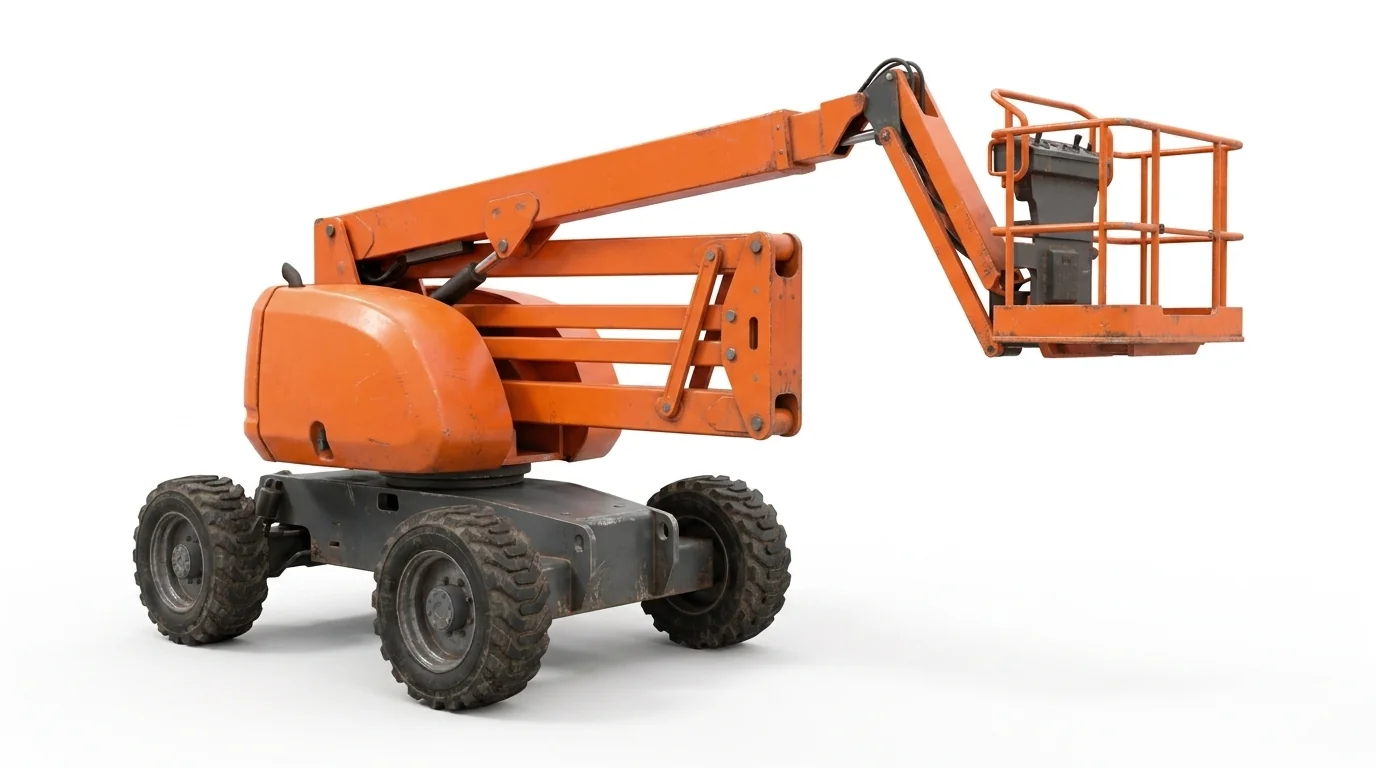
Scissor vs. boom at a glance
- Scissor lifts: Vertical access with broad platforms. Best when the machine can sit directly under the task on a stable slab or compacted pad.
- Articulating booms: Up‑and‑over reach to navigate around pipes, racking, and façade elements.
- Telescopic booms: Long, straight outreach for steel erection, signage, and tall façades with clear swing room.
Greenville conditions that influence selection
- Interior slabs in distribution and production spaces favor electric scissor lifts for low noise and tight turns. See /electric-scissor-lift-rental/.
- Rolling exterior grades and unfinished approaches around industrial sites often point to rough‑terrain scissors or booms with suitable tires. See /rough-terrain-scissor-lift-rental/ and /boom-lift-rental/.
- Rainy stretches in the regional climate can shift schedules. Weather exposure, drainage, and ground support may determine whether an outdoor plan is realistic on a given day.
Measurements to confirm before mobilization
- Working height and outreach: Map the horizontal distance from the machine’s footing to the work point, plus vertical rise.
- Width and stowed height: Verify doorways, gate openings, and overhead obstructions on the travel path.
- Swing space for booms: Check for parked vehicles, bollards, and stock that might limit tail swing or jib positioning.
Example use patterns in the area
- Interior MEP, lighting, and racking adjustments: scissor platforms on finished concrete.
- Exterior panel setting and steel punch work: rough‑terrain scissor or telescopic boom depending on outreach needed.
- Up‑and‑over maintenance around conveyors or process lines: articulating boom.
Safety note
Elevated work depends on real site conditions, the equipment’s instructions, and project procedures. Wind, surface support, and overhead clearance govern suitability.