Lift equipment overview by job geometry
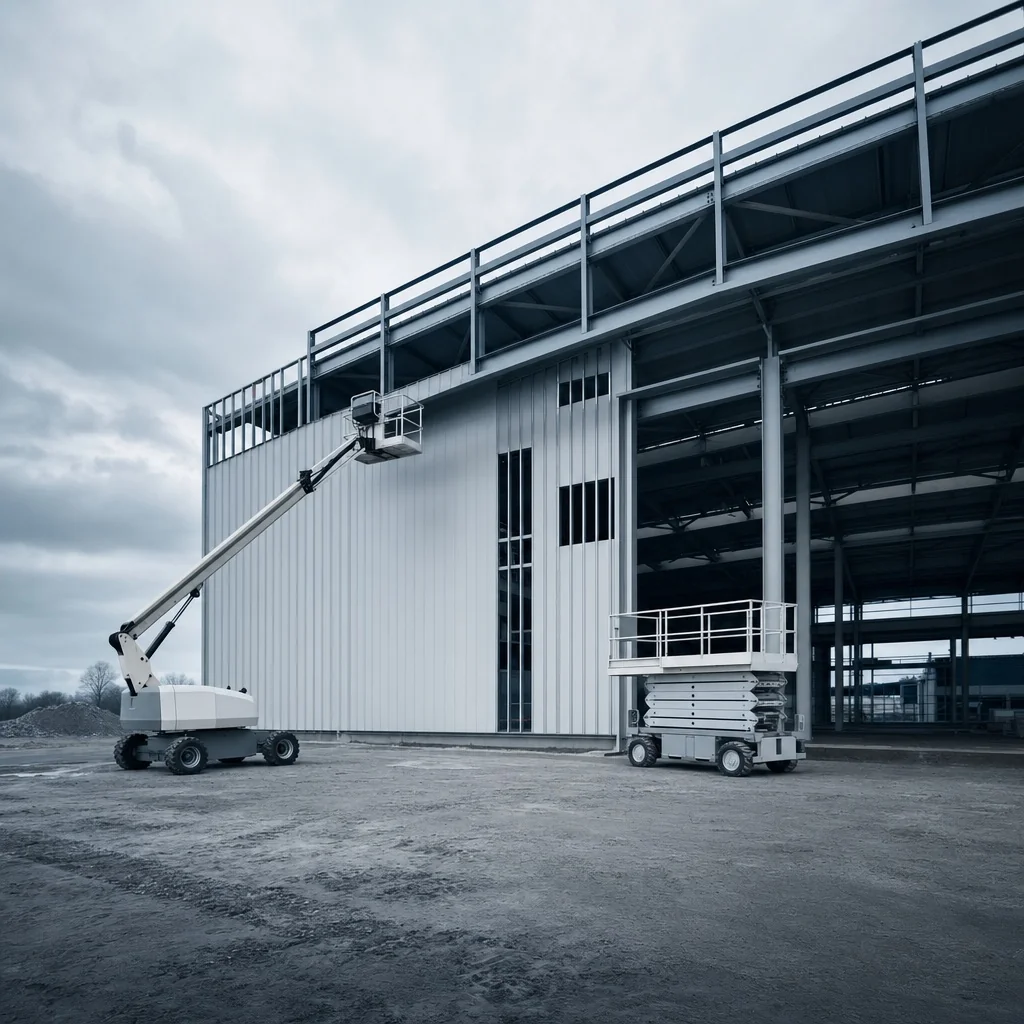
- Electric scissor lifts: best for slab‑based interior work with vertical travel and tight aisles. See /electric-scissor-lift-rental/.
- Rough‑terrain scissor lifts: handle outdoor slabs and compacted aggregate common on Greenville sites. See /rough-terrain-scissor-lift-rental/.
- Vertical mast lifts: compact machines for light tasks near production lines. See /vertical-mast-lift-rental/.
- Articulating booms: reach over obstacles and work on façades or around structures. See /articulating-boom-lift-rental/.
- Telescopic booms: long, straight outreach for exterior structural work. See /telescopic-boom-lift-rental/.
- General aerial lift info: compare envelopes and ground conditions at /aerial-lift-rental/.
- Material handling: for staging and reach on mixed surfaces, review /forklift-rental/ and /telehandler-rental/.
Why Greenville conditions matter
The Inner Piedmont foothills bring uneven grades and variable subsurfaces. Outdoor work areas around distribution and industrial sites often combine compacted fill, asphalt patches, and drainage swales. The regional climate adds frequent wet periods, so traction, ground clearance, and weather‑resistant enclosures become part of the selection—not just platform height.
Site products that support lift work
- Generators and light towers: power and visibility for exterior shifts or remote corners of large yards. See /generators-light-towers-rental/.
- Storage containers: secure parts and tools near the task without choking aisles or swing paths. See /storage-containers-rental/.
- Temporary fencing and barricades: define exclusion zones below elevated tasks and guide traffic. See /temporary-fencing-barricades-rental/.
Access route and staging checks
- Measure doorways, gates, and overheads from street to set‑down.
- Note floor ratings, slab joints, and sensitive finishes indoors.
- Identify slopes, soft spots, and drainage outdoors.
- Map traffic peaks at docks so lifts and site products do not block turns.
Local decision path summary
1) Can the machine sit below the task, and what reach does it need? 2) What does the floor or ground allow in weight and tire type? 3) How do Greenville’s rain and terrain affect traction, lighting, and power? 4) Where will storage and barriers live so crews move safely around the work zone?
Actual conditions, the selected unit’s instructions, and site procedures govern elevated and exterior work.